Hidden Gaps in Home Inspections Revealed
Real Estate, Home Inspections
What Home Inspections Miss Sometimes: The Hidden Gaps Buyers Should Know
A home inspection is one of the most important steps in buying a property, yet it’s not a magic X-ray. Understanding what inspections sometimes miss can help you protect your budget, your safety, and your peace of mind.
Inspections Are Thorough, But They’re Not Total
A standard home inspection is a visual, non-invasive review of the property on a single day. Inspectors don’t move heavy furniture, open up walls, or predict the future. That means some issues can slip through the cracks even when you’ve hired a reputable professional and carefully read the report.
Rather than treating the inspection as a guarantee, think of it as a baseline health check. It tells you a lot, but not everything. Knowing the common blind spots helps you ask better questions, order the right extra tests, and budget realistically for repairs after move‑in.
1. What’s Hidden Behind Walls, Floors, and Insulation
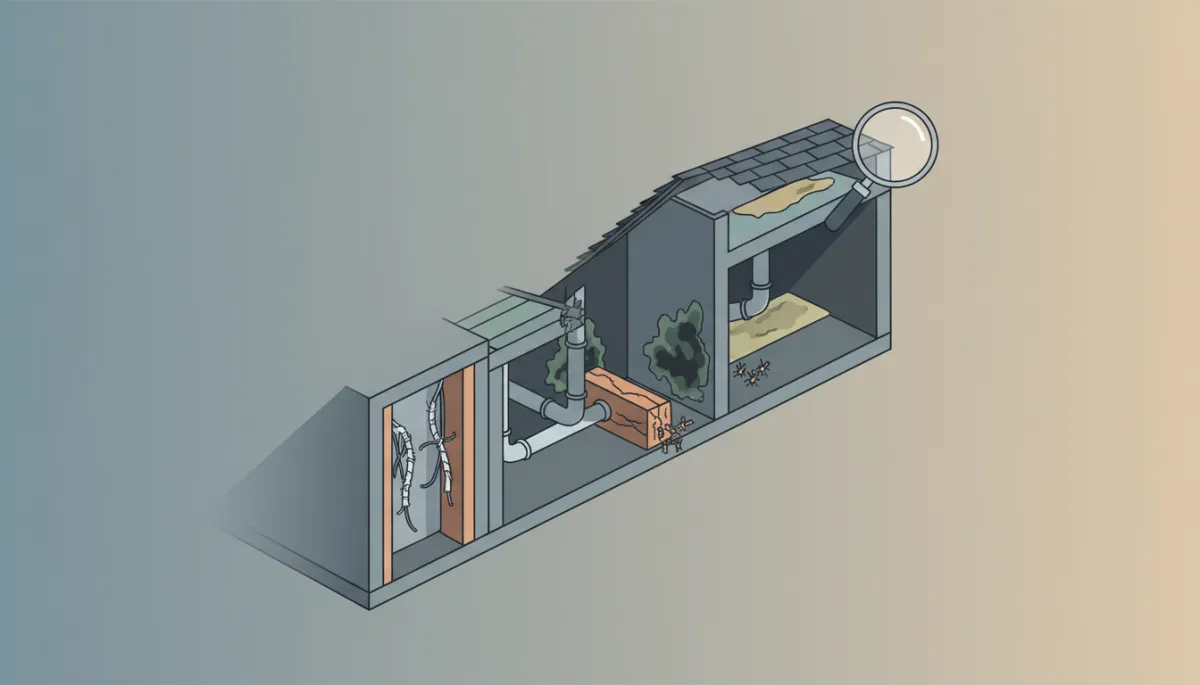
Because inspectors don’t open walls or tear up flooring, problems that live inside the structure are easy to miss. This can include:
Electrical splices hidden in walls or ceilings, done without junction boxes
Plumbing leaks concealed behind drywall that haven’t yet stained surfaces
Pockets of mold inside wall cavities around old leaks or poorly sealed windows
Inspectors look for clues—like musty smells, warped baseboards, or suspicious stains—but if there are no visible signs, hidden damage may remain undiscovered until you renovate or a problem worsens.
💡 Pro Tip: If the home has a history of leaks or past renovations, consider a mold inspection or thermal imaging scan in addition to the standard inspection.
2. Future Failures and Remaining Lifespan
Inspectors can tell you if a system is working on the day of the visit, but they can’t promise how long it will last. A furnace may fire up just fine, and a water heater may deliver hot water, even if they’re both near the end of their typical lifespan.
Aging HVAC systems that still function but may fail in the next few seasons
Older roofs with no current leaks but brittle shingles and limited remaining life
Appliances that operate now but are well beyond their manufacturer’s average service life
Many reports include an estimated age of major components. Use this as a planning tool. Even if everything passes inspection, you may want to build a reserve fund for replacements you’ll likely face in the first five to ten years of ownership.
3. Seasonal and Weather-Dependent Problems
Inspections capture a single moment in time. If you’re buying in summer, the inspector may not be able to test the heating system without risking damage. In winter, they might not see how the air conditioning performs. Dry weather can mask drainage issues that only appear during heavy rain.
Gutters and downspouts that seem fine when dry but overflow during storms
Basements that only take on water during spring thaw or extreme weather
HVAC performance that varies dramatically between mild inspection days and temperature extremes
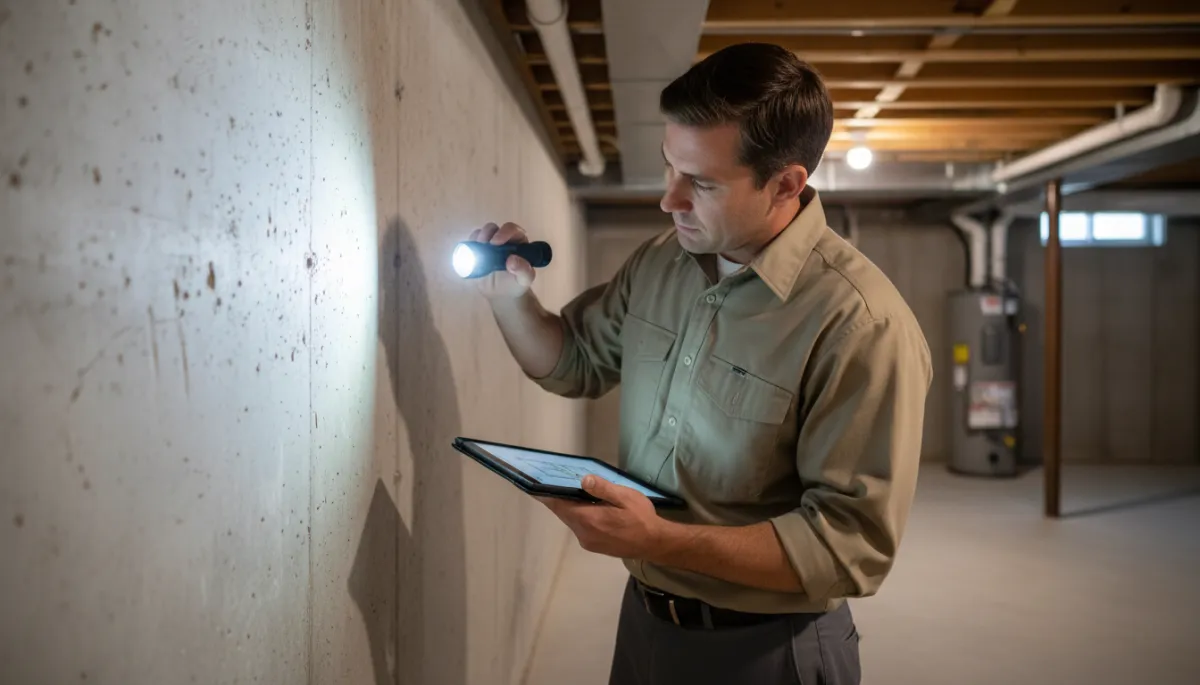
Many moisture and drainage issues only reveal themselves during heavy rain or thaw.
📌 Key Takeaway: Ask the seller for utility bills and any history of leaks, flooding, or seasonal quirks that an inspector might not see during a brief visit.
4. Pests, Environmental Hazards, and Specialized Risks
Many buyers assume a home inspection covers everything from termites to radon. In reality, most of these are separate, specialized inspections that must be ordered in addition to the general review.
Termites, carpenter ants, and other wood-destroying insects often require a dedicated pest inspection
Radon gas, common in some regions, is detected only through specific testing equipment and time‑based tests
Asbestos, lead paint, and well water quality often require lab analysis or certified specialists
Your inspector may recommend these tests based on the age, location, and type of property, but they’re rarely included by default. Skipping them can leave you exposed to health risks and expensive remediation later.
5. Cosmetic Shortcuts and DIY Workmanship
Fresh paint and new finishes can look beautiful—and also hide a multitude of sins. While inspectors are trained to spot red flags, they can’t always see what lies beneath a recent renovation, especially if work was done without permits or proper inspections by the local authority.
Tile installed directly over old flooring without proper preparation, leading to cracks later
Decks or additions built by DIYers that appear sturdy but don’t meet current code standards
Quick patch jobs over past water damage that hasn’t been fully resolved
⚠️ Warning: If a home has lots of recent cosmetic upgrades but limited documentation, ask for permits, contractor invoices, and warranties whenever possible.
Making the Most of Your Home Inspection
Knowing what home inspections sometimes miss doesn’t make them less valuable—it makes them more useful. When you understand the limitations, you can:
Attend the inspection and ask targeted questions about age, access, and potential hidden issues
Order additional specialized tests where appropriate—pest, radon, sewer scope, or mold
Use the report to negotiate repairs or credits, and to plan a realistic maintenance budget
A home is often the largest purchase you’ll ever make. By recognizing that even a good inspection has blind spots, you put yourself in a stronger position to buy with confidence, prepare for surprises, and take care of your investment for years to come.


